
Marine and Boat Building Aluminum Alloy 5086 Aluminum Plate
5086 aluminum plate is a high-magnesium, non-heat-treatable aluminum alloy developed for demanding seawater environments. It is widely selected for boat hulls, vessel sides, decks, superstructures, tanks, bulkheads, and offshore equipment because it combines excellent corrosion resistance with reliable welded strength and low structural weight.
For builders of workboats, fishing vessels, patrol craft, ferries, landing craft, yachts, and offshore support platforms, 5086 aluminum plate delivers a practical balance of durability and fabrication efficiency. Its magnesium-rich chemistry forms a stable surface oxide film that helps resist salt spray, humidity, and marine atmospheric exposure. With appropriate design, welding practice, and maintenance, the alloy can provide long service life in harsh coastal and offshore conditions.
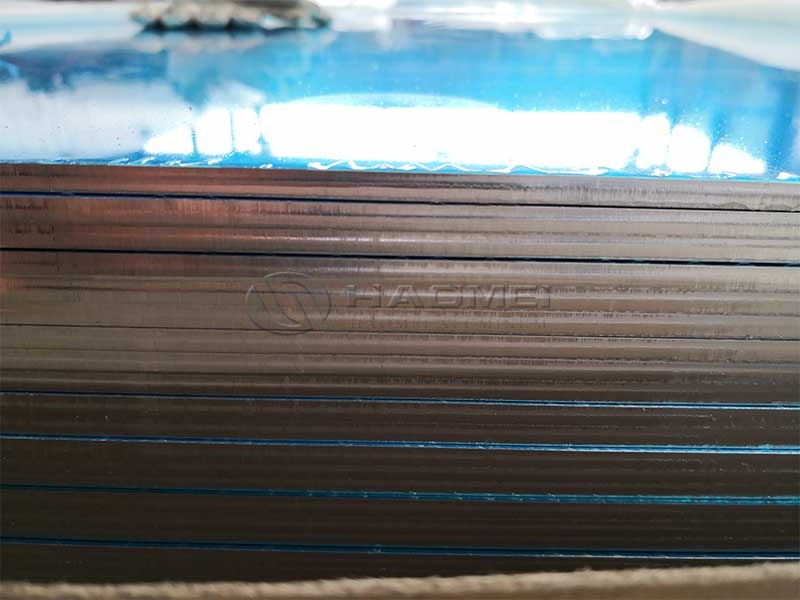
Material Characteristics for Marine Construction
Compared with carbon steel, 5086 aluminum plate has approximately one-third of the density. This reduction in structural mass can improve vessel payload, fuel economy, acceleration, draft control, and operating efficiency. Lightweight construction is especially valuable for high-speed craft and vessels where weight distribution affects handling and performance.
The alloy also performs well after welding. Unlike heat-treatable aluminum grades, 5086 does not depend on artificial aging to gain its strength. Although localized softening occurs in the heat-affected zone, the material retains dependable service properties when suitable plate temper, joint design, filler metal, and welding parameters are used.
| Property | Typical Value or Characteristic |
|---|---|
| Alloy series | 5xxx aluminum-magnesium alloy |
| Primary strengthening element | Magnesium |
| Density | Approximately 2.66 g/cm³ |
| Corrosion behavior | Excellent in seawater and marine atmosphere |
| Weldability | Excellent with MIG and TIG processes |
| Heat treatment response | Non-heat-treatable |
| Common tempers | O, H111, H112, H116, H32, H34 |
| Typical product forms | Plate, sheet, cut-to-size blanks |
| Main marine uses | Hull plating, decks, bulkheads, tanks, structural components |
Chemical Composition and Its Practical Effect
The magnesium content in 5086 is responsible for much of its strength and marine corrosion resistance. Manganese and chromium help control grain structure and improve resistance to degradation in aggressive service. Tight control of impurity elements is important because iron, silicon, and copper can influence corrosion behavior, surface quality, and forming performance.
| Element | Typical Composition Range, % |
|---|---|
| Magnesium, Mg | 3.5-4.5 |
| Manganese, Mn | 0.20-0.70 |
| Chromium, Cr | 0.05-0.25 |
| Iron, Fe | 0.50 max |
| Silicon, Si | 0.40 max |
| Copper, Cu | 0.10 max |
| Zinc, Zn | 0.25 max |
| Titanium, Ti | 0.15 max |
| Aluminum, Al | Balance |
These values may vary slightly by governing standard, plate thickness, and mill certification requirements. For hull and structural projects, buyers should specify the required standard, temper, thickness tolerance, ultrasonic inspection need, and corrosion-related temper condition before production.
Strength, Formability, and Temper Selection
5086 plate is available in several tempers to match fabrication requirements. Annealed O temper provides the highest formability and is useful where deep bending or complex shaping is needed. H111 and H112 are commonly used for structural plate where moderate strain hardening and stable fabrication behavior are desired. H116 is frequently chosen for seawater-facing hull applications because it is produced and tested for improved resistance to exfoliation corrosion and stress corrosion cracking.
| Temper | Typical Use in Boat Building | Fabrication Behavior |
|---|---|---|
| O | Formed panels, curved sections, fabricated tanks | Excellent bending and shaping capability |
| H111 | General structural sheet and plate | Good balance of workability and strength |
| H112 | Heavy structural plate, welded assemblies | Suitable for robust welded construction |
| H116 | Hull plating and seawater-exposed structures | Strong marine corrosion resistance |
| H32/H34 | Lighter-gauge panels and formed parts | Higher strength with reduced formability |
Mechanical values depend on thickness and temper. As a general guide, 5086-H116 plate offers tensile strength commonly around 275-350 MPa, with yield strength often near 125-240 MPa. Project specifications should always rely on certified mill test data rather than general reference values.
Corrosion Resistance in Seawater Service
Marine exposure is more complex than simple water contact. Hull materials may face salt spray, tidal wetting, crevice conditions, galvanic contact, marine growth, abrasive sand, and repeated temperature changes. 5086 aluminum plate is well suited to these challenges when the vessel is designed to avoid water traps and dissimilar-metal corrosion.
For long-term seawater service, H116 material is often preferred for immersed or splash-zone areas. Proper isolation between aluminum and stainless steel, copper alloys, carbon steel, or carbon fiber components is essential. Non-conductive gaskets, compatible sealants, coatings, and controlled drainage reduce galvanic corrosion risk.
Builders requiring alternative thicknesses or related alloy options can also evaluate Marine 5086 aluminum sheet for lighter panels and fabricated marine components.
Welding and Fabrication Advantages
5086 aluminum plate is readily welded by MIG and TIG methods. Common filler alloys include 5183, 5356, and 5556, selected according to strength targets, corrosion conditions, code requirements, and operating temperature. Clean surfaces are necessary before welding because moisture, oil, oxide, and shop contamination can contribute to porosity or weld defects.
The alloy is suitable for cutting, bending, rolling, machining, drilling, and forming. Large-radius bends are recommended for heavy plate to protect surface quality and prevent cracking. For welded hulls, balanced welding sequences and suitable fixtures help control distortion. Heat input should be managed carefully, particularly in thin panels and areas requiring close dimensional tolerance.
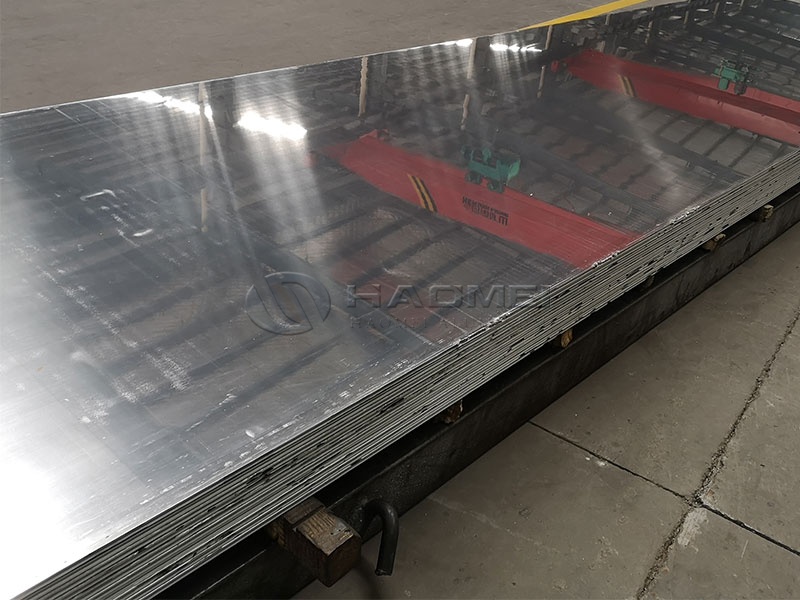
Marine and Boat Building Applications
5086 plate is used where a vessel needs low weight without sacrificing structural confidence. It is particularly effective in welded construction, where large panels can be fabricated into rigid yet lightweight marine assemblies.
Typical applications include:
- Bottom and side shell plating for workboats, patrol boats, ferries, and fishing vessels
- Deck plates, wheelhouse structures, cabin sides, and superstructure panels
- Bulkheads, transverse frames, longitudinal stiffeners, and engine-room partitions
- Live wells, fish holds, seawater tanks, fuel tank structures, and utility enclosures
- Landing craft ramps, gangways, pontoons, floating docks, and barges
- Offshore walkways, service platforms, equipment housings, and access structures
- Yacht hull components where corrosion resistance and weight control are priorities
For builders comparing high-strength 5xxx alloys, Marine 5083 aluminum sheet is another established option for heavy-duty hull plating and high-load structural sections.
Purchasing Considerations for 5086 Plate
Marine aluminum should be purchased with the end environment in mind. Plate thickness, temper, width, length, surface condition, flatness, certification, and inspection requirements all influence fabrication results. Large-format plates can reduce welded seams and improve assembly efficiency, while cut-to-size material can lower processing time in the workshop.
When specifying 5086 aluminum plate, confirm the following details with the material provider:
- Required alloy and temper, such as 5086-H116 or 5086-H111
- Thickness range and dimensional tolerance
- Standard or classification requirement, such as ASTM, EN, ABS, DNV, Lloyd's Register, or project-specific rules
- Mill test certificate and traceability expectations
- Surface protection and export packaging requirements
- Required plate size, edge condition, and cutting service
5086 aluminum plate gives marine builders a dependable material platform for corrosion-resistant, weldable, and weight-efficient structures. From rugged commercial hulls to precision-built pleasure craft, it supports durable marine construction where saltwater exposure, fabrication quality, and operational efficiency all matter.

Related Products
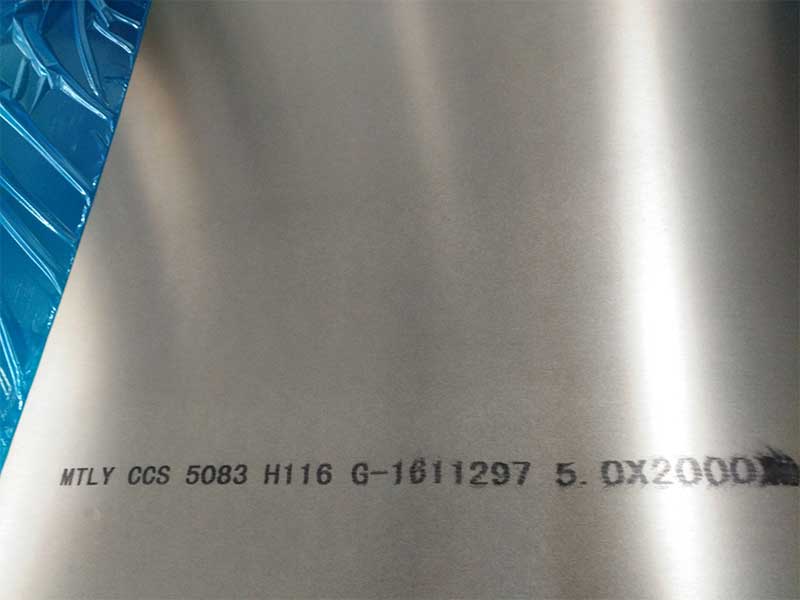
Marine 5083 aluminum sheet
Aluminum alloy 5083 is a non-heat-treatable alloy primarily composed of magnesium and trace elements that deliver outstanding protection against corrosion, particularly in seawater and saline atmospheres.
View Details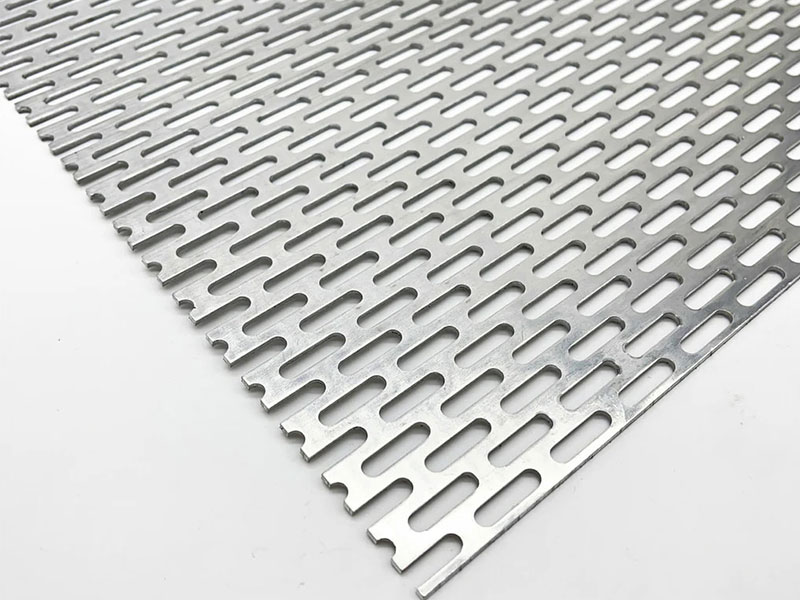
Marine perforated aluminum sheets
Marine Perforated Aluminum Sheets feature a series of uniform holes or shapes punched through the aluminum surface. These perforations can vary in size, pattern, and open area to tailor the sheets for specific applications.
View Details
Marine anodized aluminum sheets
Marine Anodized Aluminum Sheets start with premium marine-grade aluminum alloys such as 5000 and 6000 series (typically 5083, 5052, and 6061).
View Details
Marine 5383 aluminum sheet
5383 aluminum is a strain-hardened, non-heat-treatable alloy from the 5xxx series primarily alloyed with magnesium. It exhibits a unique balance of corrosion resistance and mechanical properties particularly suited for marine applications.
View Details
Marine 5086 aluminum sheet
This product article provides an in-depth and comprehensive understanding of Marine 5086 Aluminum Sheets, including their chemical composition, mechanical properties, corrosion resistance, fabrication capabilities, and typical marine applications.
View Details
Marine Aluminum Tread Sheets
Marine Aluminum Tread Sheets are aluminum alloy plates featuring a raised surface pattern, commonly referred to as a tread design or diamond plate.
View DetailsRelated Blog
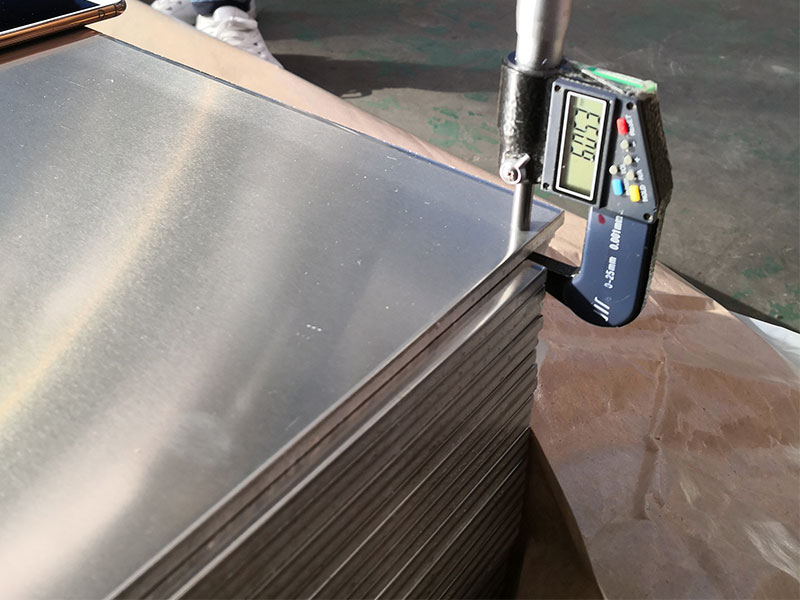
5754 2mm Anodized Aluminum Sheet For Boat Building
High-performance 5754 2mm anodized aluminum sheets designed specifically for boat building. Excellent corrosion resistance, superior strength, and durable finish ensure longevity in marine environments.
View Details
5083 H321 Marine Grade Aluminium Sheet
5083 H321 Marine Grade Aluminium Sheet: The "Working Hull Skin" That Thrives Where Steel Gets TiredIn marine design, the ocean is not just a backdrop-it is a relentless testing machine.
View Details
Aluminum Sheet For Boat 1mm Thick
Explore 1mm aluminum sheet for boats, including 5052 alloy properties, corrosion resistance, forming, applications, fabrication guidance, and care advice.
View Details
Marine Grade Aluminium 5052 3mm Aluminium Sheet Sizes
A practical guide to 5052 3 mm marine aluminium sheet sizes, properties, corrosion resistance, fabrication benefits, and boatbuilding applications for buyers.
View Details
Aluminum sheet tai 6061 alloy metal rolls for boat
Aluminum has long been the favored material in maritime applications due to its unique combination of lightweight characteristics and exceptional resistance to corrosion.
View Details
Marine 5383 Aluminum Sheet
Learn 5383 marine aluminum sheet properties, tempers, standards, chemistry, sizes, fabrication notes, and boatbuilding uses in one guide.
View Details
Leave a Message