
5083 Marine Aluminum Channels
5083 Marine aluminum channels are often seen as simple U-shaped profiles, but in marine design they work more like silent load paths. A hull, deck, dock, hatch frame, or offshore service platform is not only a collection of plates and fasteners. It is a network of forces moving through stiffeners, edges, brackets, and supports. A 5083 aluminum channel guides those forces while resisting seawater, vibration, impact, and long service cycles.
The value of 5083 lies in its aluminum-magnesium-manganese chemistry. It is not a heat-treatable alloy like 6061-T6, but it offers excellent marine corrosion resistance, high welded strength, and reliable behavior in wet, chloride-rich environments. For customers comparing Marine aluminum channels, 5083 is usually selected when seawater durability and welded structural performance matter more than decorative finish or maximum machinability.
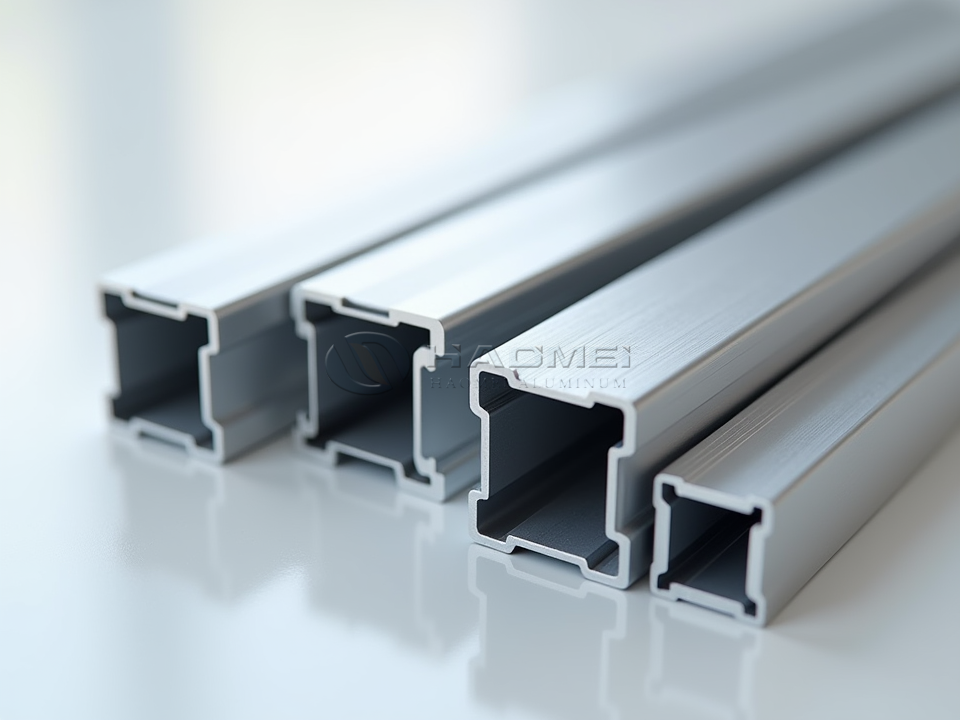
Why the Channel Shape Matters at Sea
A channel section creates stiffness through geometry. The two flanges increase section depth, while the web carries shear and connects the structure. Compared with a flat bar of similar weight, a channel can resist bending more efficiently. This is why 5083 Marine aluminum channels are used as deck stiffeners, hull longitudinal members, bulkhead frames, hatch coamings, transom supports, fish hold reinforcements, and machinery foundation members.
The open U shape also makes installation practical. Welders can reach the web and flange roots more easily than with closed sections. Drainage holes, cable openings, bolt slots, and inspection access can be added without trapping moisture inside a sealed cavity. In boatbuilding and offshore fabrication, that access can reduce maintenance risk and speed up assembly.
5083 channels are also useful where structure and protection meet. Along deck edges, dock frames, service walkways, and equipment skids, the channel acts as a stiffener and a guarded edge. In these locations, the profile does more than carry load; it helps organize the surface, protect panels, and create straight mounting lines for rails, flooring, cleats, brackets, and fender systems.
Material Character From a Marine Viewpoint
The defining feature of 5083 is its magnesium content, usually around 4.0% to 4.9%. Magnesium improves strength and seawater resistance, while manganese and chromium help control grain structure and corrosion behavior. The alloy forms a stable oxide film naturally, and when damaged by scratches or abrasion, that film reforms in normal atmospheric conditions.
In real marine service, this means less concern about rust staining, lower structural weight than steel, and good compatibility with welded aluminum hulls. However, 5083 should be handled with proper marine practice. Direct contact with carbon steel, copper alloys, or stainless fasteners in wet service can create galvanic corrosion unless insulation, sealants, washers, or coatings are used.
5083 is widely used within Marine Grade Aluminum Extrusions, but buyers should note that heavy channels may be supplied as extruded profiles, formed channels from plate, or machined sections depending on size, tolerance, and project standards. The procurement route should match the drawing, certification demand, and class approval requirements.
Common Parameters for 5083 Marine Aluminum Channels
| Parameter | Typical Value or Range |
|---|---|
| Alloy designation | 5083, EN AW-5083, AA5083 |
| Main alloy system | Al-Mg-Mn |
| Density | About 2.66 g/cm³ |
| Elastic modulus | About 70 GPa |
| Melting range | About 570-640°C |
| Thermal conductivity | About 117 W/m·K |
| Electrical conductivity | About 29% IACS |
| Typical surface | Mill finish, brushed, coated, anodized on request |
| Usual channel forms | Extruded, press-braked from plate, custom fabricated |
| Common web thickness | About 3-20 mm, project dependent |
| Common flange width | About 20-150 mm, project dependent |
| Length supply | Often 3 m, 6 m, or cut-to-length |
Mechanical properties depend heavily on temper, thickness, and production route. As a practical guide, 5083-H111 may offer tensile strength around 275 MPa or higher, while 5083-H116 and H321 plate-based products often provide tensile strength around 305 MPa or higher with improved marine corrosion performance. Final values should always be checked on the mill test certificate.
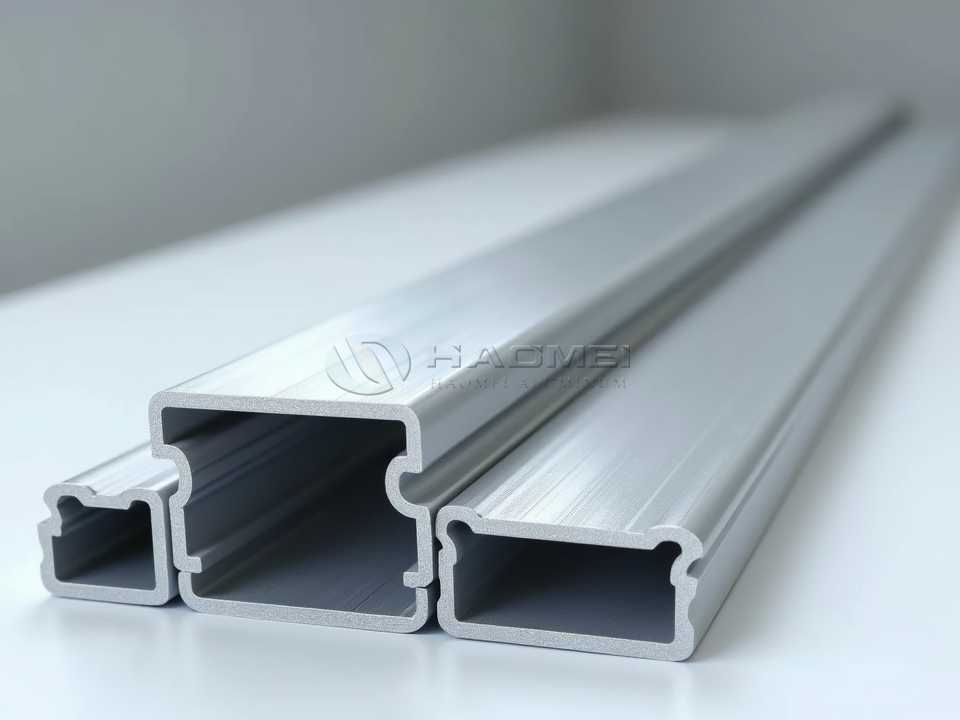
Alloy Tempering and Service Conditions
5083 is strain-hardened, not heat-treated. That means terms such as T6 do not apply. The most common marine tempers include O, H111, H112, H116, and H321.
| Temper | Practical Meaning | Typical Use |
|---|---|---|
| O | Annealed, softest condition | Tight forming, bending, low-stress parts |
| H111 | Slightly strain-hardened after forming | General marine channels and welded fabrication |
| H112 | As-fabricated with controlled properties | Extruded or hot-worked profiles |
| H116 | Marine corrosion-resistant strain-hardened condition | Hull structures, seawater exposure, class projects |
| H321 | Stabilized marine temper | Plate-formed channels, shipbuilding, offshore parts |
For channels exposed to continuous seawater, splash zones, or bilge environments, H116 or H321 is often preferred when available, particularly for plate-formed sections. These tempers are designed to reduce the risk of exfoliation and intergranular corrosion. For moderate deck, cabin, dock, or equipment support use, H111 or H112 can be suitable if the design stress, exposure, and certification level allow it.
5083 should not be held for long periods in the sensitization temperature range, commonly considered around 65-200°C, especially in demanding marine service. Prolonged exposure can reduce resistance to intergranular corrosion in high-magnesium aluminum alloys. This point matters for engine rooms, exhaust-adjacent supports, heated tanks, and industrial marine equipment.
Chemical Composition of 5083 Aluminum
| Element | Composition Range, % |
|---|---|
| Silicon, Si | ≤ 0.40 |
| Iron, Fe | ≤ 0.40 |
| Copper, Cu | ≤ 0.10 |
| Manganese, Mn | 0.40-1.00 |
| Magnesium, Mg | 4.00-4.90 |
| Chromium, Cr | 0.05-0.25 |
| Zinc, Zn | ≤ 0.25 |
| Titanium, Ti | ≤ 0.15 |
| Other elements, each | ≤ 0.05 |
| Other elements, total | ≤ 0.15 |
| Aluminum, Al | Balance |
The low copper content is important for seawater performance. Copper can raise strength in some aluminum alloys, but it tends to reduce corrosion resistance in marine atmospheres. 5083 keeps copper low and uses magnesium as the main strengthening element, making it more suitable for saltwater structures than many general industrial alloys.
Standards and Quality Control
5083 Marine aluminum channels may be produced and inspected according to several recognized standards, depending on region and product form. Common references include ASTM B221/B221M for aluminum extruded bars, rods, wire, profiles, and tubes; ASTM B209/B209M for aluminum sheet and plate used in formed channels; EN 573 for chemical composition; EN 755 for extruded products; EN 485 for sheet, strip, and plate; and EN 515 for temper designations.
For vessels and offshore structures, customers may also request compliance or approval under ABS, DNV, LR, BV, CCS, or other classification society rules. In these cases, mill certificates, heat numbers, dimensional inspection records, tensile test data, and corrosion test documentation may be required. For welding, common filler metals include 5183, 5356, and 5556, selected according to strength, corrosion exposure, and project code. AWS D1.2 and relevant shipyard welding procedures are often used for aluminum structural welding.
Dimensional checks should include web height, flange width, wall thickness, straightness, twist, corner radius, cut length, and surface condition. For channels used as fitted structural members, tolerance control can reduce welding gaps, distortion, and alignment work during assembly.
Applications Where 5083 Channels Perform Well
In boat hulls, 5083 channels support plating and distribute impact loads from waves, docking, and equipment movement. On decks, they act as frames under flooring, hatch surrounds, stair supports, and coaming members. In workboats and patrol vessels, they are valued for strength after welding and resistance to salt spray.
In dock systems and floating platforms, channels form edge beams, cross members, gangway supports, and utility runs. Their low weight makes installation easier, while corrosion resistance reduces repainting demands compared with steel. In offshore equipment, 5083 channels are used for skids, cable trays, access platforms, container frames, and service walkways where weight control and weather resistance are both important.
They also perform well in refrigerated marine spaces, fish processing areas, and wet storage zones. The alloy remains stable at low temperatures and does not become brittle like some steels. For fishing vessels, aquaculture platforms, and cold-chain marine logistics, this is a practical advantage.
Buying and Fabrication Notes
Before ordering 5083 Marine aluminum channels, customers should confirm the channel dimensions, temper, production method, surface finish, length tolerance, certificate requirement, and intended exposure. If the channel will be welded into a certified hull structure, the specification should state the applicable class rule and required temper. If the channel will be bolted to mixed-metal equipment, galvanic isolation should be designed before installation.
5083 channels can be cut, drilled, milled, welded, and formed within suitable limits. Bending is easier in O or H111 temper than in harder strain-hardened tempers. After welding, the heat-affected zone will soften compared with the base metal, so structural calculations should use welded joint design values rather than only base metal strength.
A well-specified 5083 channel is more than a profile. It is a corrosion-resistant structural path shaped for the realities of marine work: wet decks, welded joints, vibration, salt spray, maintenance access, and long service life.

Related Products
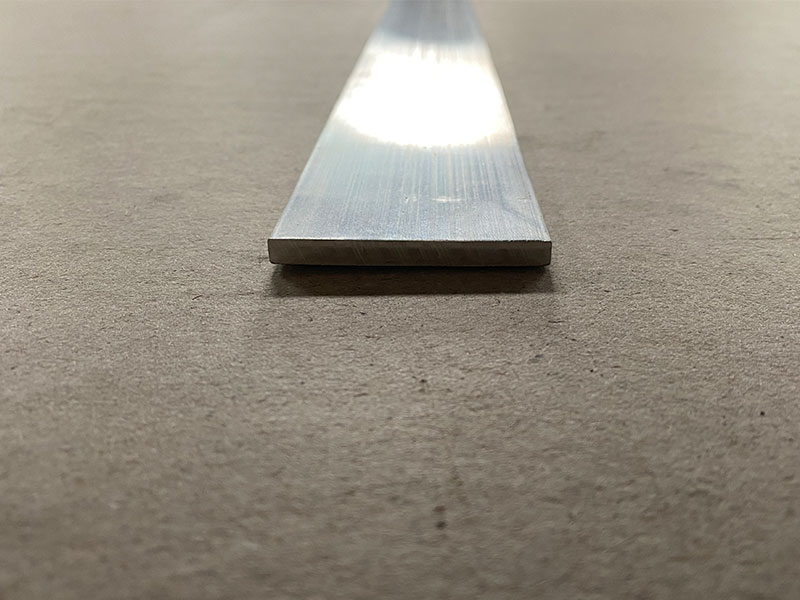
5083 marine aluminum flat bar
5083 aluminum flat bars belong to the 5xxx series of aluminum-magnesium alloys, known primarily for their superior resistance to seawater corrosion and salt spray.
View Details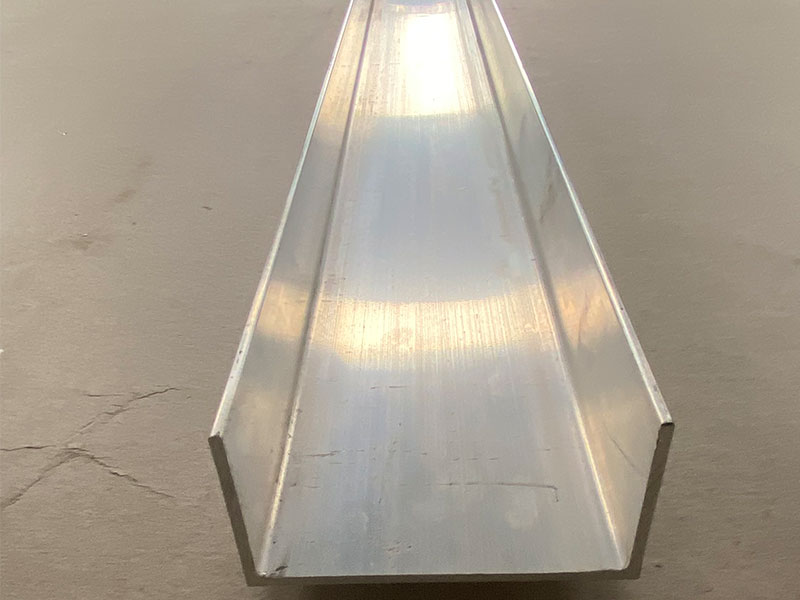
Marine aluminum channels
Marine Aluminum Channels are U-shaped aluminum profiles produced from alloys such as 5083, 5052, and 6061, known for their excellent marine corrosion resistance and superior mechanical strength.
View Details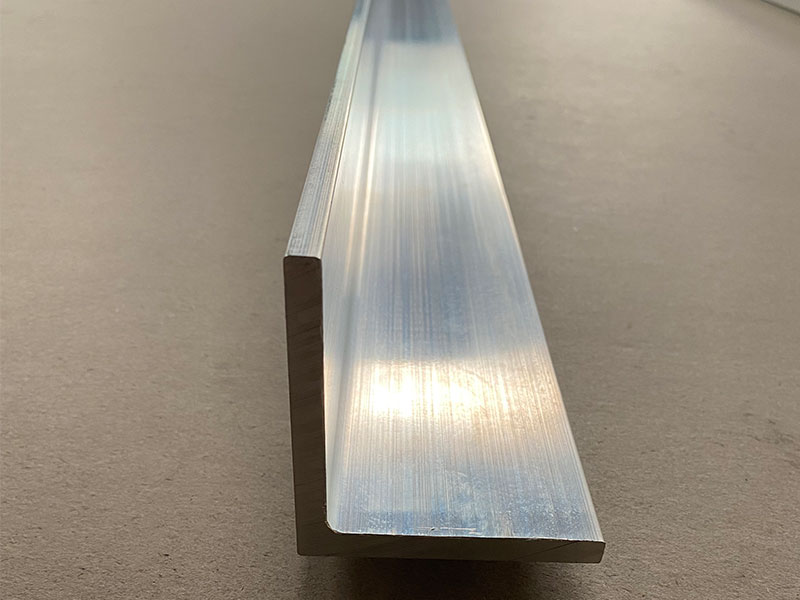
Marine aluminum angles
Marine Aluminum Angles are L-shaped cross-sectional aluminum profiles produced from marine-grade aluminum alloys such as 5083, 5052, and 6061.
View Details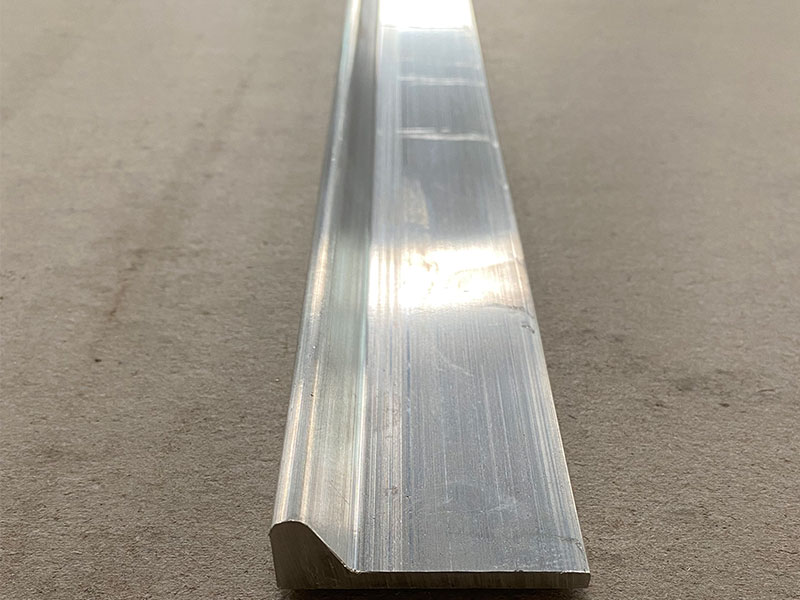
Marine aluminum I-beams
Marine Aluminum I-Beams feature the traditional “I” cross-sectional profile fabricated from marine-grade aluminum alloys like 5083, 5086, and 6061. These alloys are renowned for their outstanding corrosion resistance, especially in saltwater and marine atmospheres, making them ideal for offshore and naval construction.
View Details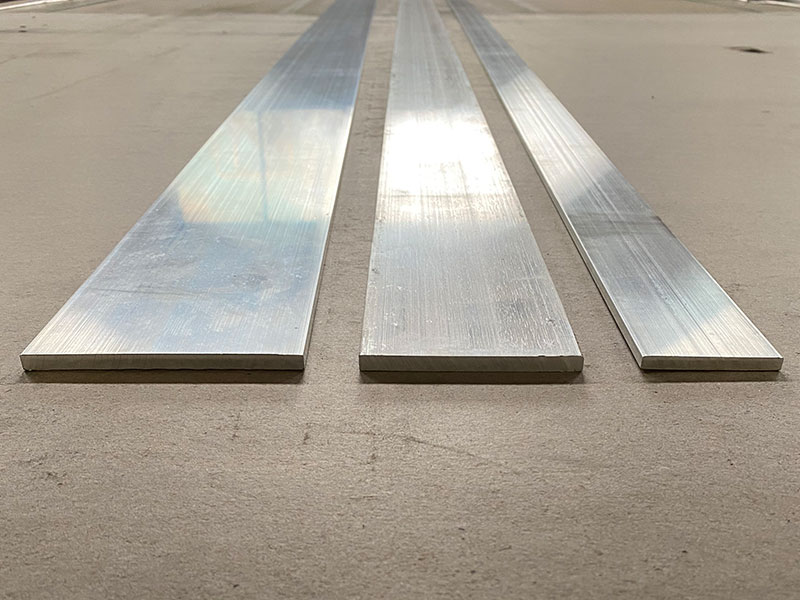
6061 T6 marine aluminum flat bar
6061 aluminum is classified as a heat-treatable 6xxx series alloy, alloyed primarily with magnesium and silicon. The T6 temper designation indicates that the flat bar has been solution heat-treated and artificially aged to achieve optimum strength and hardness.
View Details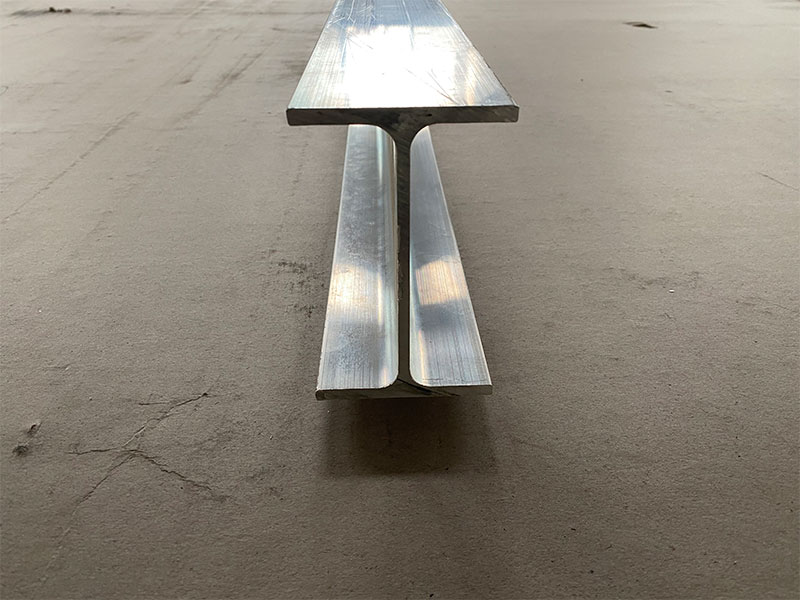
Marine aluminum Z-shaped sections
Marine Aluminum Z-shaped Sections are fabricated from premium marine-grade aluminum alloys such as 5083, 5052, and 6061. These alloys are well-regarded for their superior corrosion resistance in seawater and marine atmospheres, along with good mechanical strength and excellent weldability.
View DetailsRelated Blog
5083 Marine Aluminum Flat Bar for Heavy Duty Boat Construction
When it comes to building heavy duty boats that demand strength, durability, and excellent corrosion resistance, 5083 Marine Aluminum Flat Bar stands out as an ideal material choice.
View Details
Marine Aluminum Rod & Bar for Boat Deck Reinforcements
In the demanding marine environment, materials must withstand harsh conditions including saltwater exposure, mechanical stresses, and varying weather.
View Details
Marine Aluminum Flat Bar for Durable Boat Hull Fabrication
When it comes to building boats that brave the unpredictable, often harsh marine environment, the choice of materials determines their longevity, safety, and performance.
View Details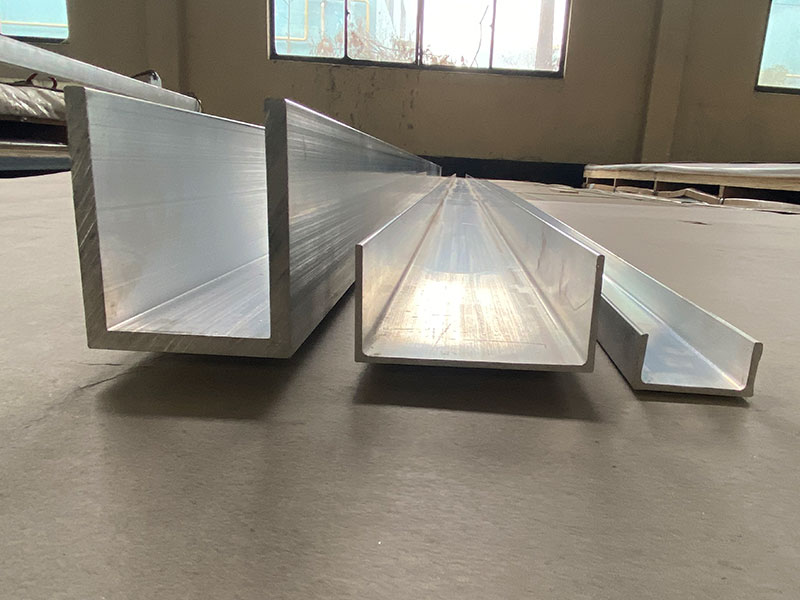
5052 Marine Aluminum Angles for Custom Boat Deck Engineering
5052 marine aluminum angles are a go-to structural shape for boat deck builds where corrosion resistance, weldability, and dependable strength matter more than flashy specs.
View Details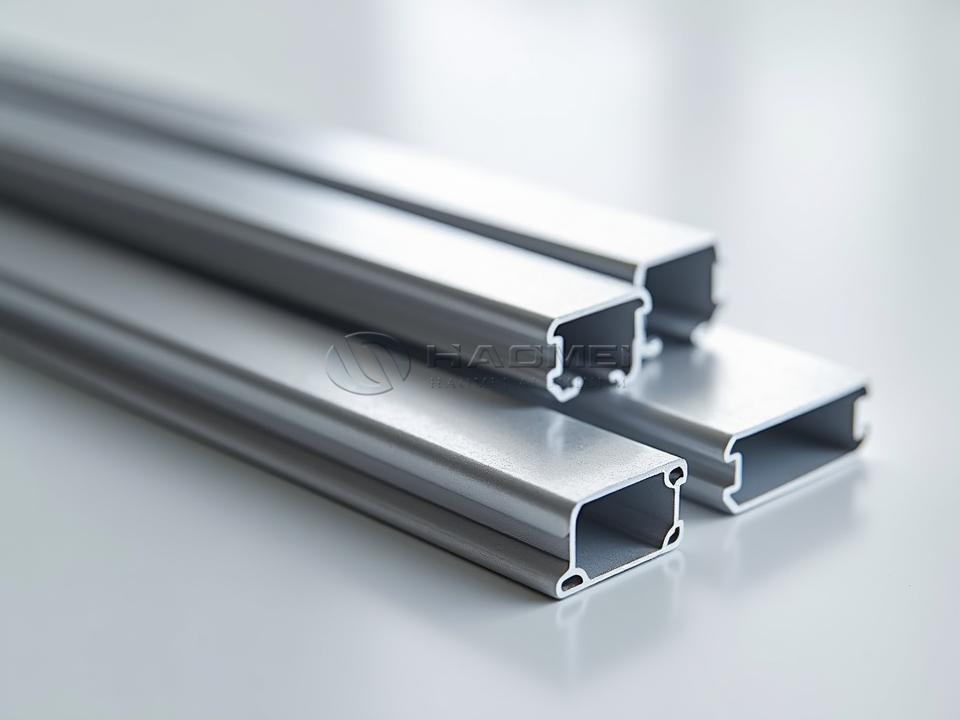
6061 Marine Aluminum Z Shaped Sections
Learn functions, vessel uses, tempers, standards, chemistry, strength, finishing, machining and design data for 6061 marine aluminum Z shaped sections.
View Details
6082 marine aluminum rod & bar
When it comes to marine applications, selecting the right aluminum material is crucial. Among the various alloys available, 6082 marine aluminum rod and bar is know as the premier choice, perfectly balancing strength, corrosion resistance.
View Details
Leave a Message